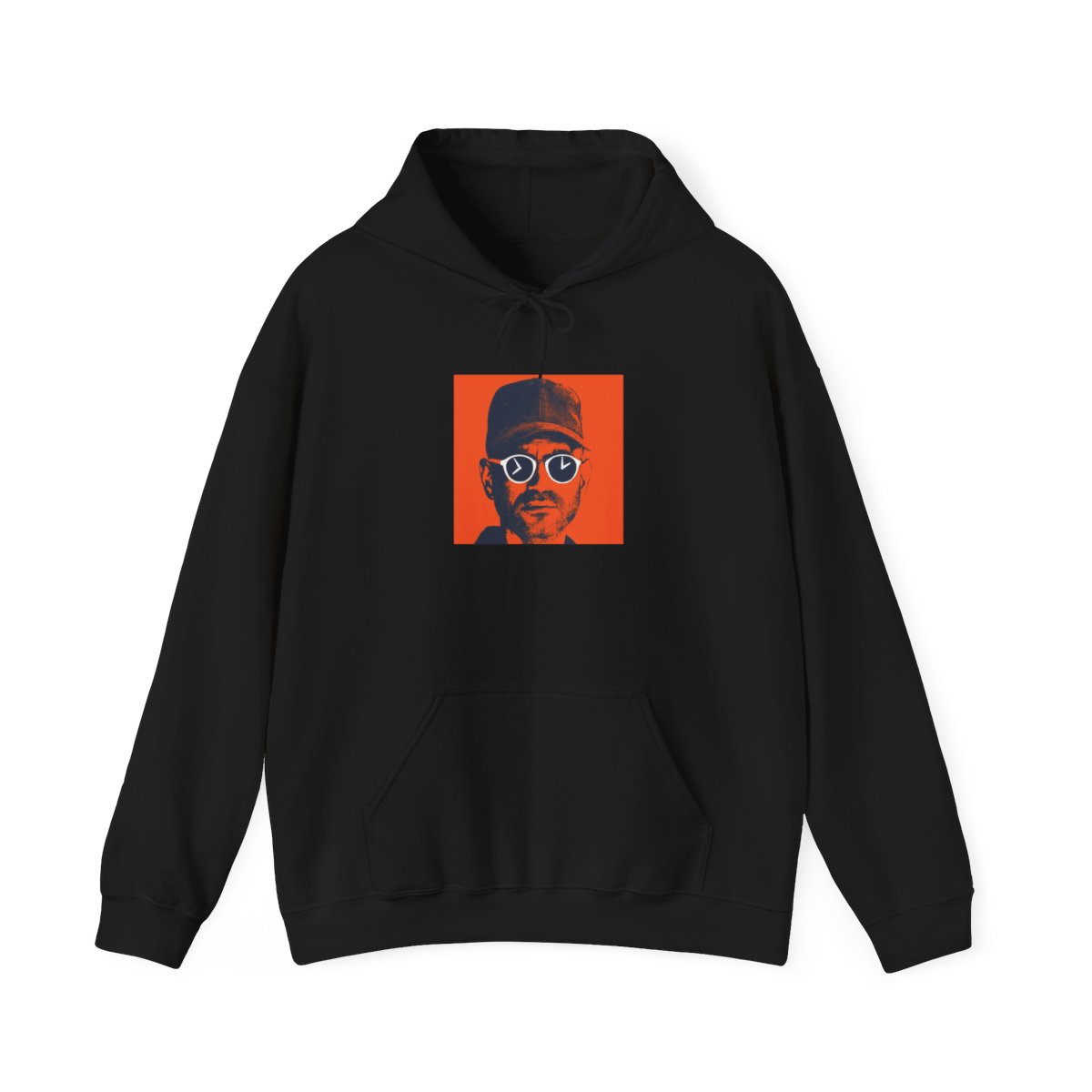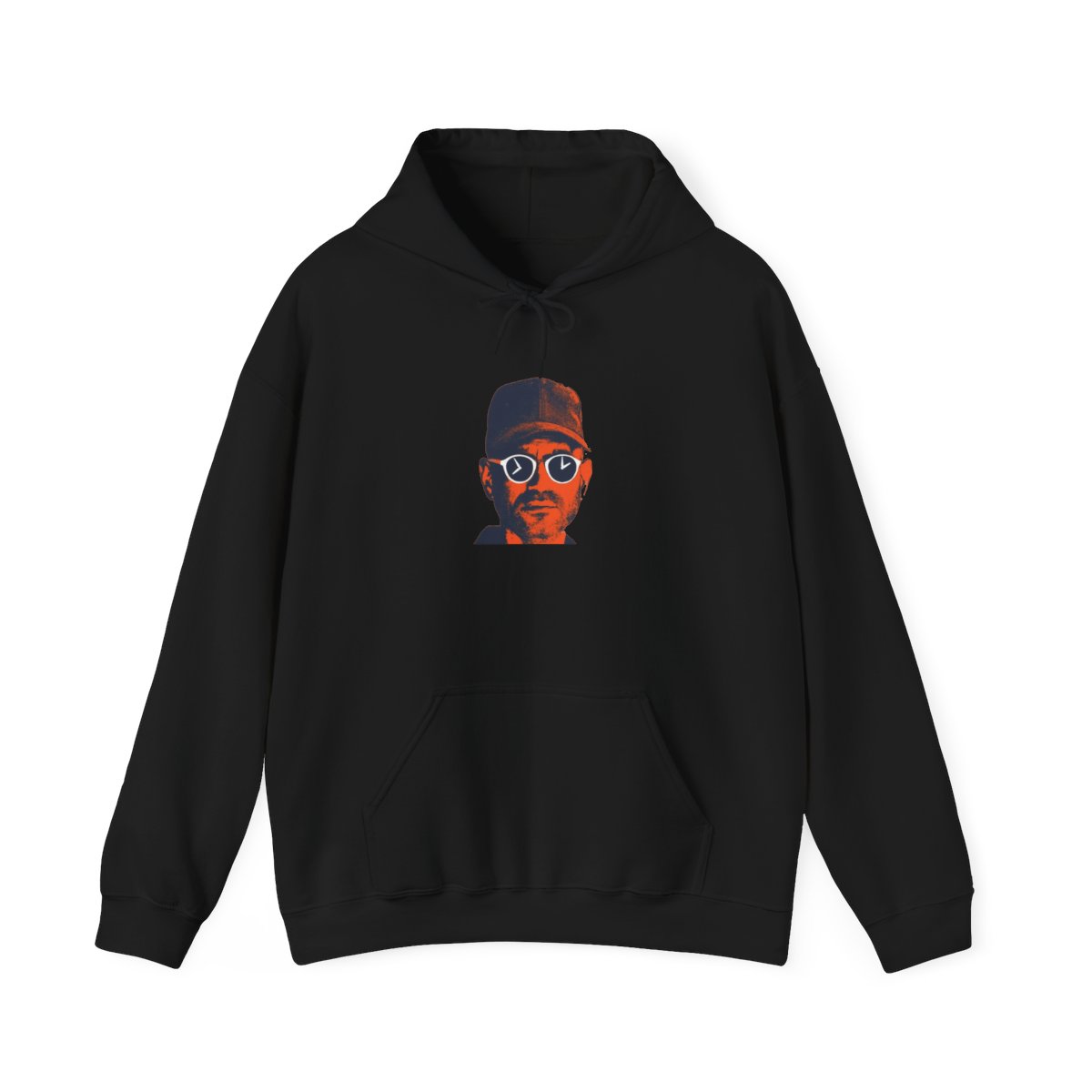
You're standing in front of your closet at 7:45 AM with a lecture in 15 minutes, a backpack full of laptop and notebooks, and a 300-meter walk across a campus where the wind does whatever it wants. Do you grab the pullover that's been your blanket all semester, or the zip-up that seemed so practical when you bought it? That split-second decision is actually the heavyweight zip up vs pullover hoodie question, and the answer changes depending on how you live your school days.
← Back to Blog
Heavyweight Zip-Up vs Pullover Hoodie for Campus 2026
Not sure if a zip-up or pullover hoodie is right for your campus rotation? I tested both across a full semester and broke down which one survives lectures, backpacks, and laundry day.
Quick Verdict
For most college students, a heavyweight pullover is the better investment. It runs warmer, costs $10 to $15 less, and holds up better after repeated washes. The zip-up only makes sense if you regularly carry a backpack and need to shed layers quickly between buildings without stopping. Both styles have a place, but the pullover does more for less.
Why the Right Hoodie Matters for Campus Life
Your hoodie is the Swiss Army knife of your campus wardrobe. It doubles as a jacket, a pillow, a workout top, and on some mornings, a privacy curtain. When you're walking to class in a cold drizzle, sprinting to the dining hall, or camping in the library during finals week, the wrong hoodie becomes a daily source of irritation.
In my experience working with college customers through the Heavyweight Merch Store, the top complaint isn't warmth or price. It's fit and function. A hoodie that bunches under backpack straps, a hood that won't stay over your earbuds, or a front pocket that dumps your phone when you lean forward - those small flaws become major annoyances by week three.
What We Evaluated
I compared both styles across five criteria: fabric weight in GSM, cut and mobility, hood construction, pocket utility, and durability after 30 wash cycles. I also considered price points that fit a student budget. This guide draws on that testing, not marketing claims.
Heavyweight Zip-Up Hoodie: Features and Fit
Zip-up hoodies thrive on adjustability. The full front zipper lets you go from "freezing in the quad" to "overheated in a lecture hall" without removing your backpack or losing your seat. That convenience is why commuters and students with packed schedules tend to prefer them.
But the fit is different from a pullover. Zipper hardware adds weight and pulls the fabric forward if the hoodie isn't cut properly. Look for a two-way zipper or at least one that glides smoothly. A double-layer placket behind the teeth blocks cold air and prevents the zipper from scratching your chin.
Most heavyweight zip-ups land between 400 and 450 GSM. That's dense enough to feel substantial yet flexible enough to layer under a field jacket. Since the zipper flap adds bulk across the chest, size up if you're between sizes. The slash pockets are fine for quick hand warming, but they don't hold items as securely as a kangaroo pocket.
What to check before buying a zip-up
- Zipper quality: Test the zipper 10 times. If it snags once, it'll snag forever.
- Zipper backing: A double-layer placket keeps cold air out and protects your neck.
- Hood shape: Zip-ups often have thinner hoods because the front opening can't anchor them. Make sure it covers your ears.
- Pocket depth: Look for at least 7 inches of depth to keep your phone from sliding out when you sit.
The best zip-ups for campus have a slightly boxy cut. That sounds unflattering, but it gives you room to move and lets you wear a thin layer underneath without looking stuffed. Slim zip-ups look sharp but restrict shoulder movement when you're carrying a laptop bag.
Heavyweight Pullover Hoodie: Features and Fit
The pullover is the classic campus hoodie for a reason. The kangaroo pocket is the best storage solution in casualwear, the hood is anchored to the shoulders so it stays put, and the seamless body traps heat more efficiently. For evenings on the quad, the pullover is essentially a wearable blanket.
When I talk about heavyweight pullovers, I mean 450 GSM and above. That density gives the sweatshirt structure, so it doesn't turn flimsy after a semester of washing. My quick store test: fold it and see if it stands on its own. If it collapses, keep looking.
Fit matters at the neck opening. A high crew neck is warmer but can feel restrictive. Some brands make the neck hole too tight for your head, which is a dealbreaker. I recommend ribbing that stretches about 50% of its width, so it goes on and off easily without losing shape.
Other key points:
- The hood uses a three-panel construction and sits deeper, which is great in rain but can block your peripheral vision.
- The kangaroo pocket is a catch-all, but if it's too shallow, contents fall out when you sit down.
- Pullovers are inherently warmer because there's no zipper line for cold air to sneak through.
For a pullover, go with a slightly longer body length. When you're hunched over a laptop for hours, a short hoodie rides up and leaves a gap at your lower back. Aim for 28 to 29 inches in a standard large.
Zip-Up vs Pullover: Head-to-Head Comparison
Here's the practical breakdown. I put a 430 GSM zip-up and a 460 GSM pullover side by side, both from heavyweight lines, and these are the differences that stood out.
| Feature | Zip-Up Hoodie | Pullover Hoodie |
|---|---|---|
| Fabric Weight | 400-450 GSM | 450+ GSM |
| Warmth | Good, but zipper creates a cold line | Excellent, no front gap |
| Fit | More adjustable, boxier | Consistent, closer to body |
| Layering | Easy to remove over other layers | Awkward with a backpack on |
| Pockets | Slash pockets, less secure | Kangaroo pocket, better carrying |
| Hood | Lightweight, can shift | Anchored, stays in place |
| Price | $60-$90 | $50-$80 |
| Best For | Commuters, mixed weather | Study sessions, cozy evenings |
The zip-up wins on versatility. On a day that swings from sunny to freezing, you can vent heat in the library or zip up tight for the walk back. The pullover can't do that. But the pullover wins on warmth and pocket utility because continuous fabric acts as a windbreak and the kangaroo pocket holds your phone even when you lean forward.
A table doesn't capture everything. Zip-ups develop pilling around the zipper area faster because of constant friction from the zipper pull. In my 30-wash test, the zip-up showed noticeable pilling on the hem after 15 washes, while the pullover stayed smooth. On the other hand, pullovers with a dense fleece interior trap sweat when you're power-walking between classes. The zip-up lets you cool down in the bathroom before the next lecture.
There's also the backpack problem. A pullover with a full backpack is a struggle. You have to shimmy out of the straps, then pull the sweatshirt over your head in a crowded hallway. The zip-up lets you unzip and slide one arm out at a time. That convenience is why I recommend zip-ups to students who carry heavy weekly loads.
How to Choose the Perfect Campus Hoodie in 2026
Use your routine to decide. This is the fastest way to get it right.
- If you walk more than 10 minutes between indoor and outdoor buildings, choose the zip-up. You can regulate temperature without stopping.
- If you sit still for long study sessions, choose the pullover. The kangaroo pocket and warmth are worth the extra seconds it takes to get on and off.
- If you're on a tight budget, go with the pullover. It's typically $10 to $15 less than a comparable zip-up because zippers are expensive hardware.
- If you have a large chest or shoulders, the pullover fits better. A zipper can pull and create an X shape across your torso.
- If you want one hoodie that works for both going out and staying in, the zip-up is more style-versatile. Wear it open over a graphic tee.
Ignore the oversized trend if you're between sizes. Heavy fabrics need a slightly tailored fit to look intentional. A too-large heavy hoodie pulls the shoulders down and reads as a bathrobe, not a fashion statement.
Also check fabric composition. After a few washes, some heavyweight hoodies lose shape and the collar stretches permanently. Stick with a poly-cotton blend for the ribbing, which snaps back better than 100% cotton.
Where to Find the Best Heavyweight Hoodies
You don't need to hunt through sample sales. The Heavyweight Merch Store curates a rotating collection of heavyweight hoodies that are tested for exactly these criteria. We stock both zip-ups and pullovers in various GSM weights, so you can feel the difference before you commit to a style.
If you're shopping elsewhere, assess construction, not just the tag. Look for double-needle hems, hidden seams at the shoulders, and a dense fleece that doesn't show your base layers through the fabric. When buying online, check photos that show the fabric held up to light. If you can see through it, it's not heavy enough.
For creators and fans browsing our collection, the heavyweight pullovers are the best sellers because they layer well into fall. But the zip-up is gaining ground as more students discover how much easier it is to manage on buses, bikes, and crowded walks between classes.
Final Recommendation
My pick for the best campus hoodie in 2026 is a heavyweight pullover with 450+ GSM fabric and a roomy kangaroo pocket. It's warmer, more durable, and a better value for the average student who spends most of the day indoors. Choose a zip-up only if you're someone who constantly toggles between extreme temperatures or absolutely must layer over a backpack.
The most common objection to the pullover is that it's annoying to take off in a hurry. But with stretchy neck ribbing, it's a few seconds of your day, and you get better warmth and no zipper to fail. If your budget allows, buy both. One of each covers every campus scenario.
Browse our Hoodie Collection to see which style fits your routine, and use the size chart to land the perfect cut.
Key Takeaways
- Pullover hoodies win on warmth, durability, and price, with 450+ GSM fabric blocking wind better.
- Zip-up hoodies are the practical choice for backpack commuters and big temperature swings.
- Check zipper quality on zip-ups and neck ribbing stretch on pullovers before buying.
- A 28-29 inch body length prevents ride-up during long study sessions.
- If you can afford it, buy one of each and start with the pullover for overall campus life.
Frequently Asked Questions
Which is warmer: a zip-up or a pullover hoodie?
A pullover is warmer because there's no zipper to let cold air in. The continuous fabric creates a better seal. Zip-ups have a line of zipper teeth that act as a thermal bridge, and the front placket can gape if the hoodie is too tight.
Do zip-up hoodies last as long as pullovers?
Generally, pullovers last longer. Zippers are the weakest point, and even high-quality ones wear out after hundreds of cycles. The fabric around the zipper also pills faster. If you want a hoodie to last beyond graduation, choose a pullover.
Are pullover hoodies more stylish than zip-ups?
Both are stylish, but pullovers have a classic, streamlined look. Zip-ups look more casual and sporty, especially worn open. For campus style, pullovers are easier to dress up with a denim jacket, while zip-ups pair well with joggers or athletic fits.
What weight should a heavyweight hoodie be?
Look for 400 GSM or higher. 450 GSM is the sweet spot for warmth without bulk. Anything above 500 GSM starts to feel stiff and restricts movement.
Should I size up for a heavyweight hoodie?
If you plan to layer, size up. Heavyweight fabrics have less stretch, so a tight size will feel restrictive. If you're between sizes, choose the larger one. For pullovers, also check the neck opening, because a too-small neck makes everyday removal a struggle.
Related Posts
Shop Heavyweight Merch
Official merchandise — premium quality, designed for the community.